
.png?width=500&height=250&name=Inbound%20Fintech%20%20HubSpot%20%26%20RevOps%20Consultancy%20for%20FinTechs%20(2).png)

Learn how IFT transformed into a high-growth fintech consultancy by engineering its own CPQ architecture to solve complex quoting challenges & scale revenue operations smartly.

.png?width=506&height=272&name=Inbound%20Fintech%20%20HubSpot%20%26%20RevOps%20Consultancy%20for%20FinTechs%20(2).png)
Most consulting firms don’t break when they grow. They quietly leak.
Margins are thin. Sales cycles are slow. Quotes become inconsistent. Delivery teams inherit promises that were never properly scoped. And somewhere along the way, spreadsheets become the most critical piece of revenue infrastructure.
At Inbound FinTech, we reached a point where that simply wasn’t acceptable.
As we evolved from a marketing agency into a full-service consultancy for high-growth fintechs, one reality became impossible to ignore. The tools designed for simple services were fundamentally incapable of handling modern consulting complexity. Data strategy, revenue operations, AI solutions and custom development cannot be quoted accurately with static logic.
So we made a decision that reshaped our operating model. We built our own CPQ.
The Hidden Cost of “Good Enough” Quoting
In complex consulting environments, quoting is not an admin task. It is a strategic function.
Yet many service businesses still rely on manual processes to price highly variable work. The result is predictable:
- Scope is interpreted differently by sales and delivery
- Pricing logic lives in people’s heads, not systems
- Margins erode through untracked complexity
- Clients receive proposals that explain numbers, not value
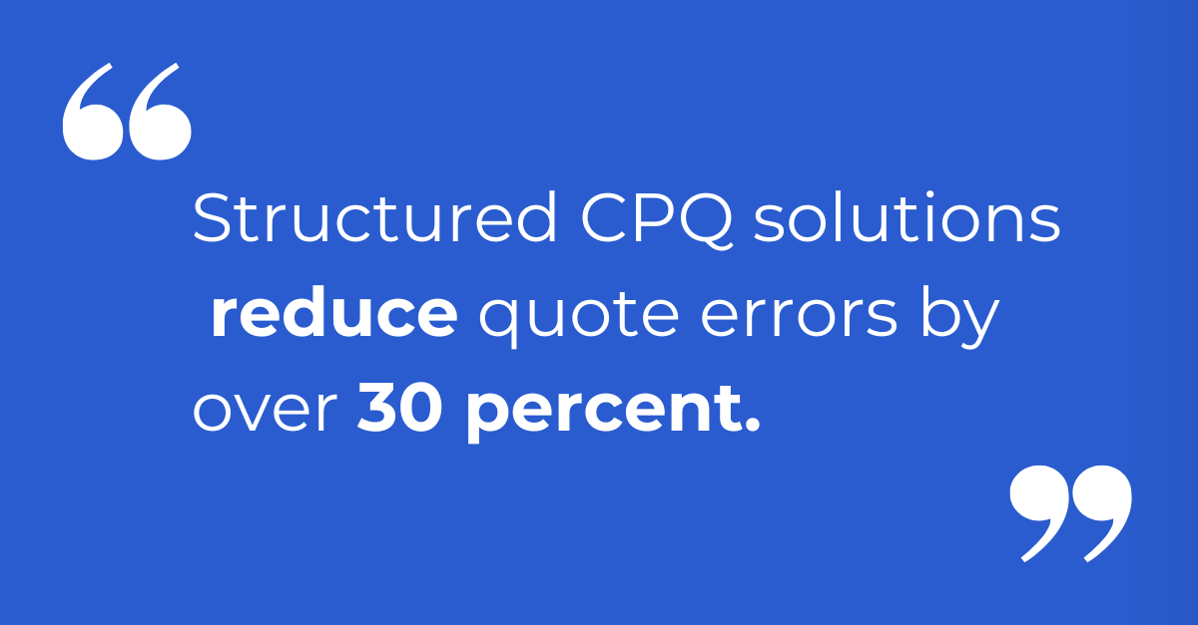
Research from Salesforce shows that organisations using structured CPQ solutions reduce quote errors by over 30 percent and shorten sales cycles by up to 28 percent. For service businesses operating at scale, those numbers translate directly into revenue efficiency and predictability.
We were not prepared to scale complexity without control. That is where our CPQ journey began.
Designing Services as Architecture, Not Line Items
The first principle behind our CPQ was simple. You cannot price what you cannot structure.
Our system begins with six clearly defined service pillars:
- HubSpot implementations
- AI solutions
- Data strategy and enablement
- Revenue operations
- Custom development
- Accelerator support bundles
Each pillar is underpinned by a structured hierarchy of subservices. Nothing is arbitrary. Everything is intentional.
When a quote is configured, the first step is context.
Our team selects services based on your actual business problem, then documents the requirements and solution logic before pricing ever enters the conversation. This forces alignment early. It ensures we are solving the right problem, not just selling familiar deliverables.
From Guesswork to Configuration
Once services are selected, the CPQ moves into its most critical phase. Configuration.
Instead of estimating fees manually, each service is set with certain parameters of what is needed. A website is not “a website.” It is a combination of the following variables:
- Number of pages
- Design and development scope
- UX research requirements
- Information architecture depth
- Language or regional complexity
As these parameters change, pricing updates in real time. Module-level pricing and overall deal value remain perfectly in sync.
The impact is significant because every adjustment is captured in real time, every cost implication is clearly visible, and margins are protected without slowing momentum.
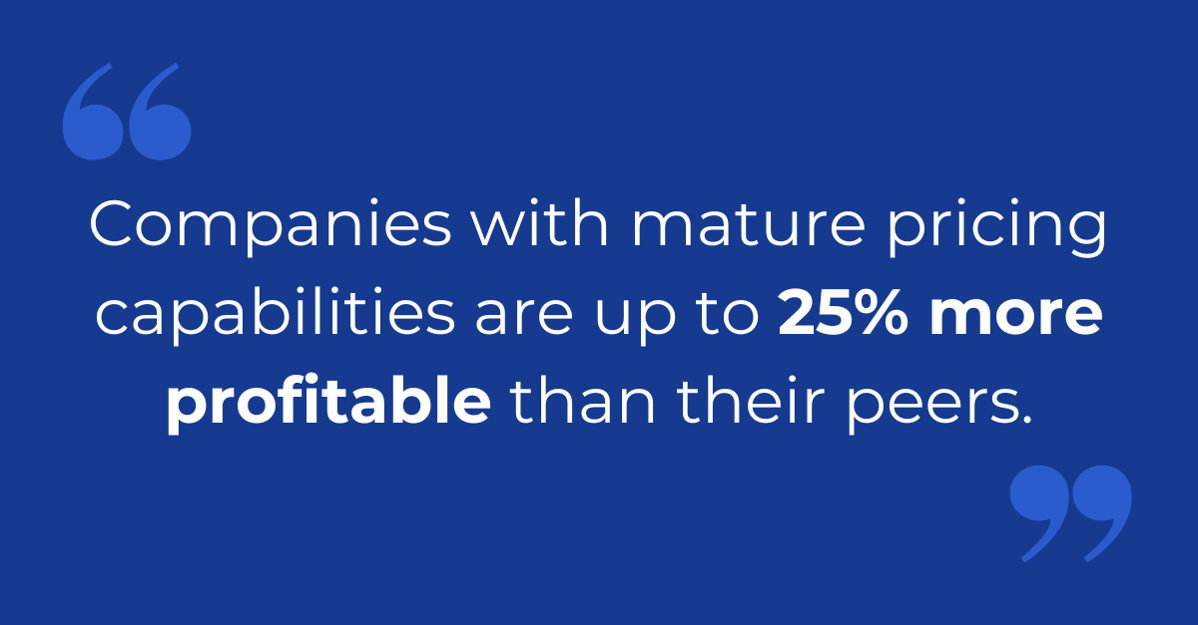
According to PwC, companies with mature pricing capabilities are up to 25 percent more profitable than their peers. Pricing set by parameters is one of the most underutilised levers in professional services. And we built it directly into our engine.
Precision That Extends Beyond Sales
Once the configuration is complete, the CPQ generates a full breakdown of SKUs and deliverables. This is where theory becomes execution.
- Every deliverable is defined.
- Project management is applied consistently to ensure quality and accountability.
- Nothing is hidden.
- Nothing is assumed.
With one action, the system pushes all line items directly into HubSpot. Deals are instantly trackable, and forecasting becomes reliable. This way, delivery teams inherit clarity instead of confusion.
This step alone eliminated manual handovers and reduced internal friction dramatically. Quoting stopped being a bottleneck and started functioning as an operational bridge. It changed the way our teams work now.
Turning Complexity Into Client Clarity
The final stage is where many CPQ systems fall short. Presentation.
Our six-step quote wizard transforms internal logic into a client-ready asset that can be presented. Buyer information is pulled directly from CRM records. Sender details, timelines, payment terms and templates are configured without duplication or error.
The final output includes:
- A clear summary of requirements
- A structured solution overview
- Transparent pricing and timelines
- Detailed deliverable descriptions
The complexity remains under the hood. The client experience is simple, confident and professional. Trust is built when clients understand exactly what they are buying and why it exists.
What This Really Signals
We didn’t create this CPQ just to make quoting easier. We built it because growing a consulting business sustainably requires solid infrastructure. Without it, complexity turns growth into risk rather than opportunity. Modern fintech services are inherently intricate, and your sales systems need to keep up without slowing the business or eating into margins. This CPQ is our “version zero.” It’s the foundation that lets us scale thoughtfully, consistently, and profitably. And it’s a model that any service-driven business could apply.
If This Sounds Familiar, It Probably Is
If your organisation struggles with:
- Inconsistent quotes for similar work
- Long turnaround times for complex proposals
- Disconnected sales and delivery data
- Margin surprises after contracts are signed
Then the issue lies within your architecture. These struggles are not coming from your team. Static tools cannot support dynamic services.
Let's talk
At Inbound FinTech, we believe revenue operations should be built, not improvised.
Our CPQ is proof that when you treat quoting as infrastructure rather than administration, everything improves. Sales velocity increases. Delivery confidence rises. You receive clarity instead of confusion.
This is what modern consulting looks like when systems support strategy.
If your sales process is straining under complexity, it may be time to rebuild the engine.
If you are exploring how to scale complex fintech services without sacrificing margin or speed, let’s talk.
.png)